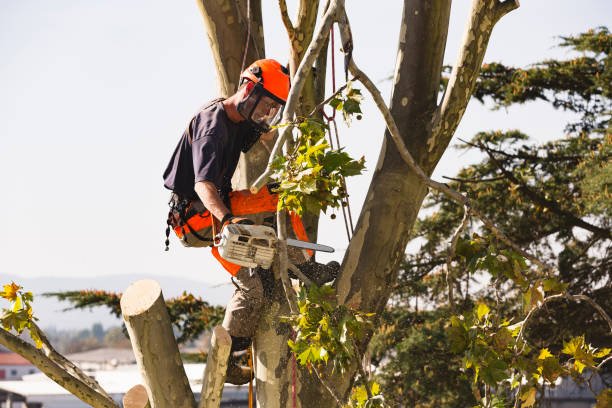
Wondering when to take down a tree in Central Washington? Discover how Yakima’s winter dormancy, high winds, and seasonal soil conditions impact safe tree removal.
Taking down a mature tree involves more than just pulling out a chainsaw and hiring a crew. In Central Washington, timing your tree removal around regional weather patterns and soil conditions can save you time, stress, and money.
Whether you have a leaning cottonwood near the Yakima River or a dying shade tree in West Valley, understanding how local conditions affect tree care ensures a safe, efficient project.
The Ideal Season for Tree Removal in the Yakima Valley
While emergency tree removal can be executed year-round, planning a non-urgent removal during late fall through early spring (winter dormancy) offers distinct advantages:
-
Dormant Canopies: Deciduous trees shed their leaves in late autumn, significantly reducing canopy weight and total brush volume. This gives arborists clear visibility of the branch architecture, making complex rigging and sectional dismantling faster and safer.
-
Protection for Your Lawn: Heavy equipment can rut soft, rain-soaked soil. During cold snaps when the ground freezes solid, heavy machinery leaves minimal tracks—protecting turf, flowerbeds, and residential hardscapes from heavy foot and wheel traffic.
-
Flexible Scheduling: Spring and summer are peak seasons for emergency storm cleanup, fire-mitigation clearing, and structural pruning. Booking during winter months often allows for flexible scheduling and faster turnaround times.
How Yakima’s Weather Affects Tree Operations
Central Washington’s climate requires strict safety protocols during complex removals:
-
High Winds: Gusts exceeding 20 mph are common across the valley. Wind makes controlling the fall of heavy limbs unpredictable, so crews pause operations during high winds to protect your roofline, power connections, and property lines.
-
Snow & Ice Accumulation: While a light dusting of snow is manageable, frozen branch surfaces and ice-laden ropes create slippery working conditions. Major dismantlings are typically paused until ice thaws off canopy limbs.
-
Summer Heat Waves: Working in 100°F summer heat accelerates crew fatigue. Complex removals scheduled during summer months are often executed early in the morning to ensure peak safety and efficiency.
Protecting Your Remaining Trees Year-Round
Removing a hazardous tree is an investment in safety, but protecting the healthy trees on your property preserves your home’s long-term curb appeal:
-
Perform Structural Pruning Every 3–5 Years: Removing crossing branches, deadwood, and weak crotches prevents storm-related canopy failure.
-
Execute Deep-Root Summer Watering: Yakima’s dry summers stress mature trees. Apply deep soakings at the drip line rather than brief surface waterings to encourage deep root growth.
-
Apply Organic Mulch: Lay a 3- to 4-inch ring of wood chips around the root zone to hold soil moisture and regulate ground temperature. Keep mulch 3 inches away from the trunk base to prevent bark rot.
-
Monitor for Regional Pests & Pathogens: Keep an eye out for yellowing foliage (iron chlorosis), aphid honeydew, borer exit holes, or fungal spots (such as apple scab or fire blight). Early detection prevents premature tree loss.